Credentials
What gives the system the ability to initiate payment?
Cards, network tokens, bank mandates, wallets, stablecoin keys, scoped agent credentials.
Understand the infrastructure. Build what comes next.
Software is beginning to make economic decisions on behalf of people and businesses. Payments are becoming the operating system for delegated economic action.
Learn the five primitives beneath every payment system, and how to use them to evaluate the next era of commerce.
Be among the first to receive ordering and availability updates. No payment required.
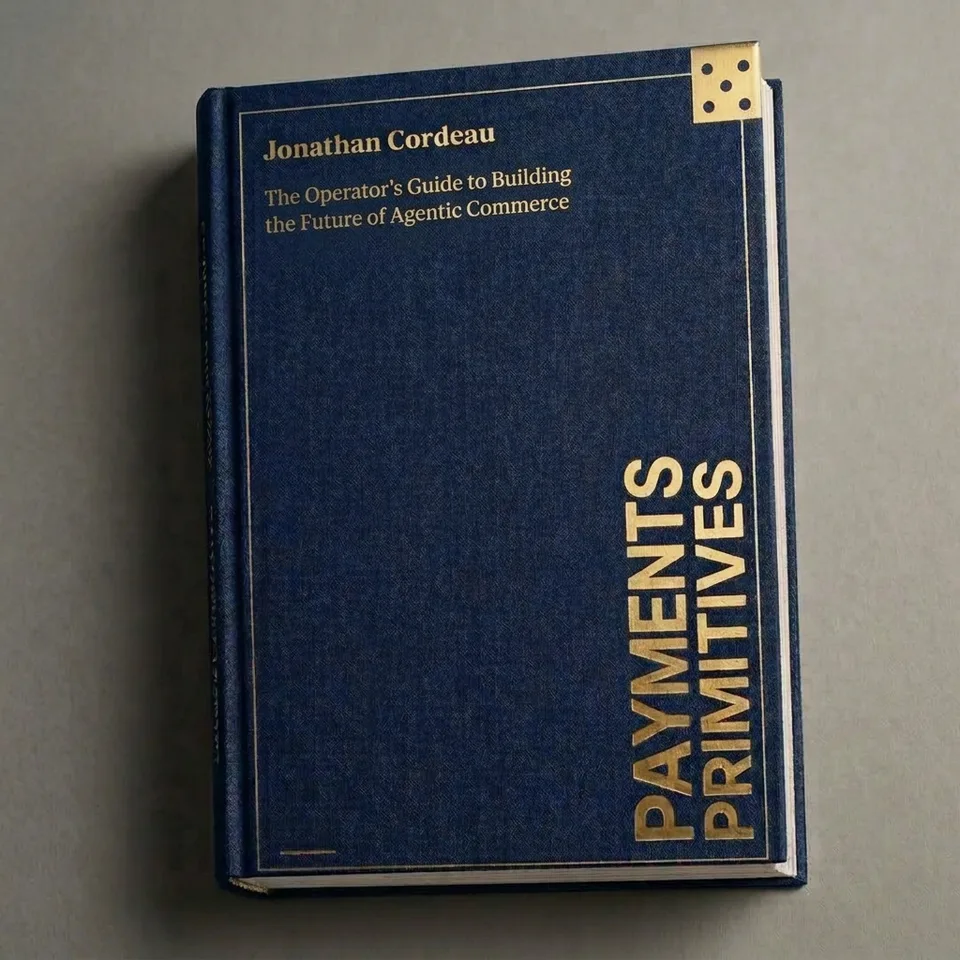
About the Book
For decades, digital commerce has largely operated on a foundational assumption: people make purchasing decisions, and payment infrastructure executes them.
AI agents change that assumption.
As software begins to search, negotiate, purchase, and move money on our behalf, the payments industry faces new questions. Who authorized the agent to act? What limits govern its decisions? How do we prove that a transaction reflects the instructions it was authorized to carry out? And what happens when something goes wrong?
Answering these questions requires understanding the machinery of payments: why it was built, how its components fit together, and which problems each component was designed to solve.
Payments Primitives takes readers beneath the products, networks, wallets, and rails that move money to reveal five durable functions: Credentials, Policy, Routing, Settlement, and Proof.
These primitives give operators a framework for separating enduring infrastructure from emerging opportunities, and deciding what to build, extend, or replace.
Who authorized the agent to act?
What is it permitted to do?
How is the transaction executed?
How do we prove what happened?
The Five Primitives
A shared vocabulary for understanding today's payment infrastructure, evaluating emerging architectures, and recognizing what must evolve.
What gives the system the ability to initiate payment?
Cards, network tokens, bank mandates, wallets, stablecoin keys, scoped agent credentials.
What is permitted?
Spending limits, mandates, approvals, compliance rules, delegated permissions, agent scopes.
How does a transaction find its execution path?
Network selection, orchestration, retries, processor selection, rail choice.
How are financial obligations fulfilled?
Card clearing and settlement, ACH, wires, instant-payment rails, on-chain settlement.
How is the event verified?
Authorization records, audit trails, structured transaction data, mandate evidence, dispute evidence.
Cards, wallets, bank accounts, stablecoins, payment networks, tokens, and agent protocols implement or coordinate these functions in different ways. The technologies will change. The primitives are more durable.
Together, they provide a framework for understanding which parts of today's infrastructure can evolve, where new capabilities are needed, and how the systems supporting delegated commerce must work together.
Inside the Book
Read the book from beginning to end to follow the argument, or use the Reference section to explore specific concepts. No prior payments expertise is required; the book explains its terminology as it goes.
01 · The Reference
Sixteen chapters explaining modern payments: the payment stack, rails, economics, credentials, tokenization, wallets, identity, risk, orchestration, optimization, and disputes.
Understand why today's infrastructure exists, which problems its components solve, and how they fit together before deciding what must change.
02 · The Architecture
How AI agents exercise delegated authority, interact with commerce and payment protocols, use scoped credentials, and create new requirements for execution, settlement, and proof.
Explore how the existing primitives are recomposed around software that can act economically on behalf of people and businesses.
03 · The Strategy
How payment networks, processors, banks, wallets, merchants, and AI platforms are responding to the transition.
Examine where control and economic value may shift, which capabilities become more important, and how operators should evaluate what to build, extend, partner for, or invest in.
Who This Book Is For
Payments Primitives is written for those building, operating, investing in, and competing across payments, fintech, and commerce.
The five primitives provide a common framework for turning emerging technologies into informed strategic decisions.
Understand where existing payment infrastructure can be extended, where new capabilities are needed, and which problems are worth building a business around.
Evaluate architecture, integrations, protocols, and payment capabilities. Make informed decisions about what to build internally, buy, or integrate.
Distinguish durable infrastructure and defensible control points from temporary abstractions. Better evaluate products, companies, and emerging categories.
Understand how delegated commerce may reshape competitive advantages, customer relationships, monetization, and the economics of existing payment businesses.
Understand what exists. Recognize what changes. Decide what to build.
Research & Updates
The foundations of payments evolve slowly. The architecture of agentic commerce is changing much faster.
Beginning January 1, 2027, this section will explore significant developments in agentic commerce, emerging protocols, payments infrastructure, and the companies shaping the next era of commerce.
The goal is to connect new developments to the enduring principles examined in Payments Primitives.
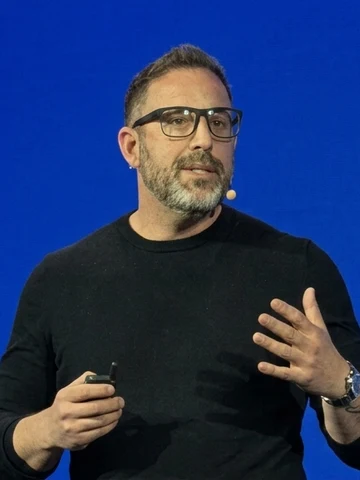
About the Author
Jonathan Cordeau is a founder, investor, and executive operator with more than two decades of experience across payments, fintech, and commerce. His career spans product development, strategy, go-to-market, growth, monetization, and P&L leadership. He writes from firsthand experience building payment platforms, scaling merchant and enterprise payments, and owning the commercial performance and economics of those businesses.
Built from zero to one.
Scaled to billions.
Operated at trillions.
Read Jonathan Cordeau's full professional bio on LinkedIn (opens in a new tab)
“Because the best way to understand what needs to be built next is to understand why everything we have today was built in the first place.”
Pre-order Registration
Register your interest in the first edition of Payments Primitives.
Registered readers will receive updates on publication, pre-order availability, and how to purchase the book when ordering opens.
Premium hardcover · First edition
No payment required. Registration does not reserve a copy or constitute an order.